Alzheimer’s Care: A Successful Journey to Completing the Puzzle with Awareness, Acceptance, and Compassion By: Riza Mae Gerong
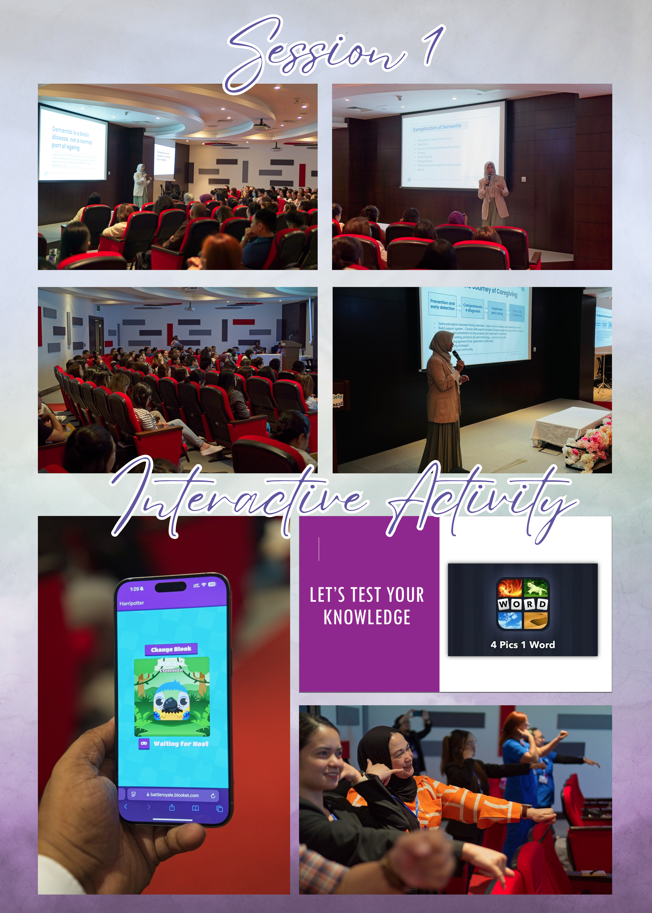
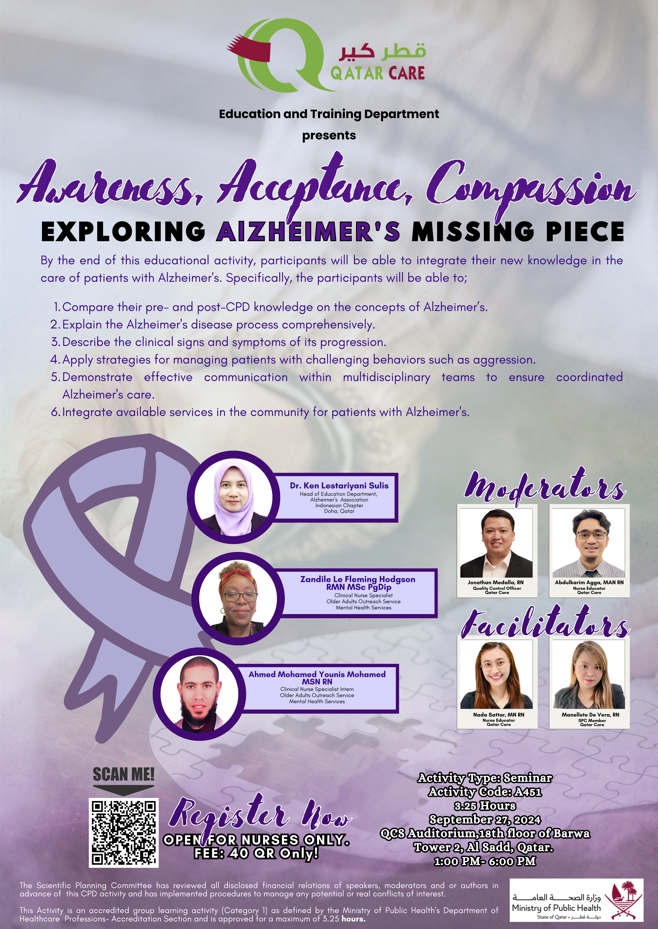
Doha, Qatar – On September 27, 2024, healthcare professionals gathered at the Qatar Cancer Society auditorium in Al Sadd for a significant session titled “Awareness, Acceptance, Compassion: Exploring Alzheimer’s Missing Piece.” Organized by the Qatar Care Scientific Planning Committee in collaboration with the Qatar Cancer Society, the event aimed to improve care for Alzheimer’s patients by enhancing participants’ knowledge of the disease and offering practical strategies for managing challenging behavior like aggression.
The session opened with Dra Ken’s presentation, “Let’s Be Aware,” where she explained the Alzheimer’s disease process and the clinical signs and symptoms of its progression. This comprehensive overview helped participants understand the stages of the disease and recognize key changes in patients.
Next, Ms. Zandile led “Accepting Who They Are,” focusing on managing aggressive behavior in Alzheimer’s patients. She introduced strategies designed to handle these difficult situations with empathy and effectiveness, encouraging caregivers to approach patients with patience and understanding.
Mr. Ahmed’s presentation, “Completing the Alzheimer’s Missing Piece,” emphasized the importance of clear communication within multidisciplinary teams. He discussed how coordinated care across different medical professionals can improve patient outcomes and provide a more holistic approach to Alzheimer’s management.
The session concluded with an interactive Q&A, allowing participants to engage with the speakers on various aspects of Alzheimer’s care. Attendees asked insightful questions about care techniques, another training, and the role of community services in supporting Alzheimer’s patients.
This event reflected Qatar’s dedication to advancing Alzheimer’s care, emphasizing the need for awareness, acceptance, and compassion in both clinical practice and the wider community. Healthcare professionals left with a deeper understanding of the disease and a renewed commitment to delivering person-centred care.